
Special effects are commonplace in the filmmaking industry, here are some of the types of effects and what they are used for.
Introduction – The Magic Behind the Screen
You’re watching a car commercial. The vehicle speeds across the dunes, a cloud of dust billowing behind it as the camera dives low, then soars high into the sky. The engine roars. A logo fades in as the desert reflects in the polished hood. It feels epic, and half of it didn’t actually happen the way you think.
Welcome to the world of special effects. This is the not-so-hidden magic that turns solid footage into something unforgettable.
Whether it’s a subtle color tweak or a full-scale explosion rendered in post, video special effects are the tools filmmakers and content creators use to build emotion, tell stories, and grab attention. And they’re not just for big blockbusters.
What Are Special Effects?
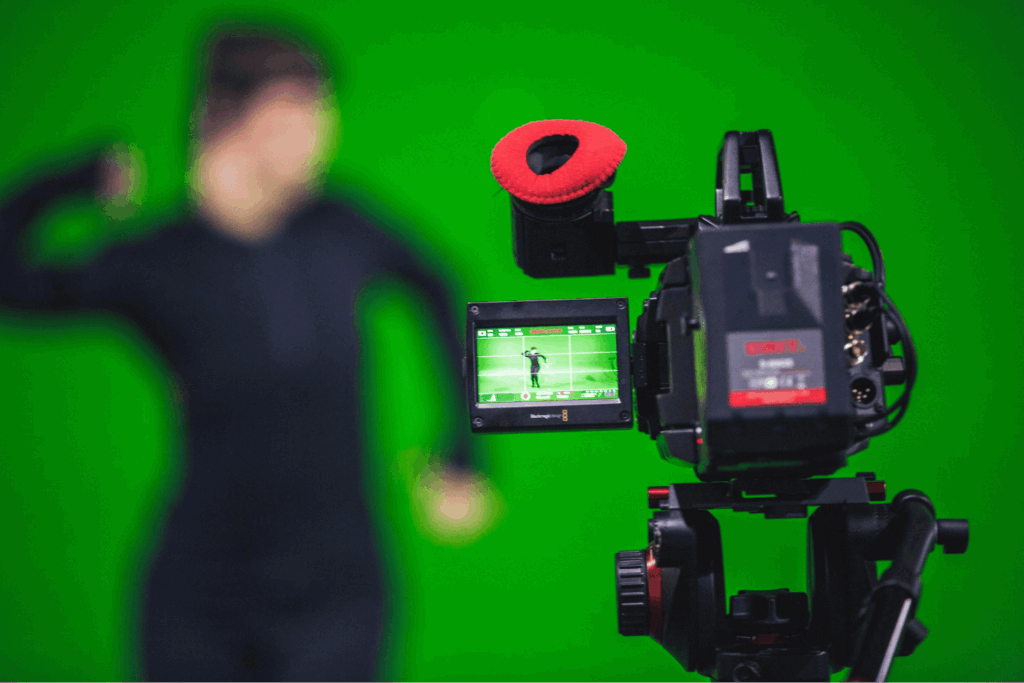
So, what exactly are special effects?
In production terms, “special effects” (or SFX) are visual or audio techniques used to create elements that either can’t be captured live or need enhancement. They fall into two main categories:
- Practical effects: Created physically, on set, during filming.
- Digital effects: Created in post-production using software and digital tools.
In short, practical is what you shoot in real life. Digital is what you layer on after.
In a brand video, a practical effect might be using a wind machine to make a model’s scarf flow dramatically or creating fake smoke for atmosphere. A digital effect might be adding glowing motion graphics or removing a background using a green screen.
Both types have their place, and often the best results come from blending them. The key is choosing the right effect for the scene, the budget, and the story.
Types of Effects in Video Production
Let’s explore the common types of effects that are used in video production.
Practical Effects (on-set, real-world elements)
These are the old-school effects and they still pack a punch.
Practical effects happen during the shoot, using physical tools and setups. Think fire, smoke machines, fake blood, rain rigs, lighting tricks, breakaway props, or even makeup and prosthetics. Because they’re real, they capture natural light and texture. This can add authenticity that’s hard to fake digitally.
There are even effects that can be used to make people appear shorter or taller or to create clever illusions in the camera.
In many shoots, practical SFX are especially valuable when filming in outdoor environments, where lighting can be harsh and computer graphics may not blend as easily.
Digital Effects (CGI, green screen)
Digital effects are created or enhanced after the shoot using software like After Effects, Blender, or DaVinci Resolve. These include:
- Green screen compositing (replacing the background)
- CGI elements (3D models, animated objects)
- Motion tracking (attaching graphics to moving footage)
- Matte painting (digitally extending or replacing landscapes)
These movie effects VFX are especially useful when you need to do the physically impossible like place a car on a mountaintop, or add futuristic overlays to a tech product.
Digital effects are also more scalable for social content, allowing for eye-catching visuals with shorter turnaround times.
2D vs. 3D Effects
2D effects are flat, graphic-based layers added to footage. They are often motion graphics, text animations, interface elements, or stylized transitions. They’re a smart way to make brand videos feel dynamic without going full CGI.
3D effects add depth and movement through virtual space. These are more complex and realistic. The viewer might see a clever 3D render or a holographic visual hovering over an actor’s hand.
The right choice depends on goals. 2D effects are quicker and more affordable. 3D can look cinematic, but needs more planning and render time. Both 3D and 2D effects have their place.
Audio-Based Enhancements
Here’s one most people forget: audio effects are part of the special effects family too.
Think of:
- Reverb added to make a voice feel like it’s in a vast hall
- Distorted sound for a dream sequence
- Layered SFX to build tension before a reveal
- Soundscapes (wind, crowds, machinery) that don’t exist in the raw footage
Sound design can totally transform a video’s emotional tone. Digital filmmakers enhance entire sequences just through subtle FX layering like building an immersive atmosphere behind tight interior shots, or making a car sound even more powerful than it did on set.
Great video special effects always work hand in hand with sound.
Where Do We Use SFX in Real Projects?

Special effects aren’t just for sci-fi films or over-the-top trailers. At Insight Studios, we use SFX across all types of content from high-end automotive ads to cultural campaigns and digital-first promos. It’s all about enhancing visuals in a way that fits the brand and message.
Take the JETOUR Dashing Commercial. The car had presence on its own, but we pushed the concept further by blending real footage with sleek overlays and digital enhancements. One standout scene included a futuristic cityscape layered subtly into the visuals. It gave the ad a sense of momentum and modernity that matched the vehicle’s design and the audience’s aspirations. We also used further SFX and punchy audio transitions to make each scene feel like part of a high-tech journey.
Then there’s the Noor Riyadh Film, where our focus was on merging in-camera effects with post-production artistry. We captured live light installations across the city and enhanced them with effects before we brought it together in post with subtle motion graphics and color grading that amplified the visual experience without overpowering the artwork and creativity of this shoot.
In both cases, SFX didn’t take over the story. They supported it. That’s the key difference between gimmicky visuals and purposeful post-production.
How We Do It at Insight Studios
Here’s how special effects come to life at Insight, whether we’re working on a product launch or a full-scale commercial shoot:
1. Creative Planning
We start with the idea. What’s the story? What’s the mood? Where can SFX add value? It is not just visual “wow,” but also clarity or emotion. Sometimes it’s scripted. Other times, we leave room to experiment in post.
2. Pre-visualization & Testing
For complex effects, we storyboard or mock them up before the shoot. We also test elements like green screen setups, lighting conditions, or match-move references to make sure everything aligns in post.
3. On-Set Execution
Even digital effects need planning on set. If we’re adding digital elements, we make sure framing, lighting, and tracking markers are locked in. If we’re using practical effects, then we coordinate with safety and lighting teams. Safety first!
4. Post-Production Magic
Here’s where it all comes together. Post production means things like compositing, color grading, audio effects, motion graphics, 3D elements…the works. Our editors and VFX artists use a clean, collaborative system to make sure everything stays on brand and on deadline.
Whether it’s a full 3D scene or a touch of 2D motion graphics, every effect we add has a purpose.
When Should Clients Use SFX?
We love bold visuals, but we also know when to hold back.
Special effects work best when they’re used with intention. They can elevate your brand or make content more shareable. But too many effects (or the wrong kind) can distract or confuse your audience.
Here’s when SFX makes sense:
- You want to show a product in a futuristic or aspirational setting
- You’re telling a story that moves between reality and imagination
- You’re visualizing data or abstract ideas
- You want your video to stand out in a crowded feed
Here’s when to skip it (or keep it minimal):
- The message relies on emotion or human connection
- Your audience expects realism (e.g., corporate or government work)
- The budget or timeline doesn’t support high-quality execution
If you’re not sure then you can always ask us. Part of what we do is help you make the right creative choices based on your story and your goals. It is not just a simple case of videos with SFX being better. Video special effects are a tool and may sometimes be the ideal option.
Final Thoughts + CTA
Special effects are tools, not tricks. When done right, they help your brand feel more polished and more memorable even in just a few seconds of screen time.
Whether you’re planning a product video, a launch campaign, or a social reel, let’s talk about how to bring your visuals to life.
Ask about effects options in your next project, or explore our post-production services to see how we make the magic happen!
