

Artificial intelligence has arrived in the world of film and video. It is already changing how projects are created and edited. But while the headlines talk about machines “taking over,” the reality is much more collaborative.
AI is going to change every industry but AI in video production is less about replacing people and more about helping them work smarter and sometimes more creatively. It can be helpful for those who have limited resources, too.
For filmmakers or even marketing professionals in Saudi Arabia and beyond, the shift is significant. Production companies that once spent weeks editing footage or refining visual effects can now accomplish the same in days. Smart algorithms can suggest edits or even generate rough storyboards. But the human hand (the filmmaker’s eye and the editor’s judgment) remains essential.
At Insight Studios, we see AI as a powerful set of tools. It is not a replacement for artistry. Let’s explore how these technologies are reshaping workflows and where their limitations lie. Humans remain firmly at the heart of filmmaking.
Introduction to AI in Video Production
So, what do we mean by AI in this context?
In production, artificial intelligence generally refers to machine learning systems and smart production tools that can automate or accelerate parts of the filmmaking process. This might mean:
- AI video editing software that can auto-cut footage based on dialogue or pacing.
- Automated filmmaking tools that generate previews or even shot lists from scripts.
- Real-time audio cleanup and subtitle generation powered by machine learning. Subtitles are already a wide use of AI.
- Smart effects tools that remove objects or enhance footage instantly.
AI is essentially taking on the heavy lifting of repetitive or time-consuming work. But that doesn’t mean it decides what works or what doesn’t. A computer can cut your footage into neat sections or enhance its colors – it can’t tell you which take carries the most emotion. That judgment still belongs to humans.
AI Tools Transforming Filmmaking
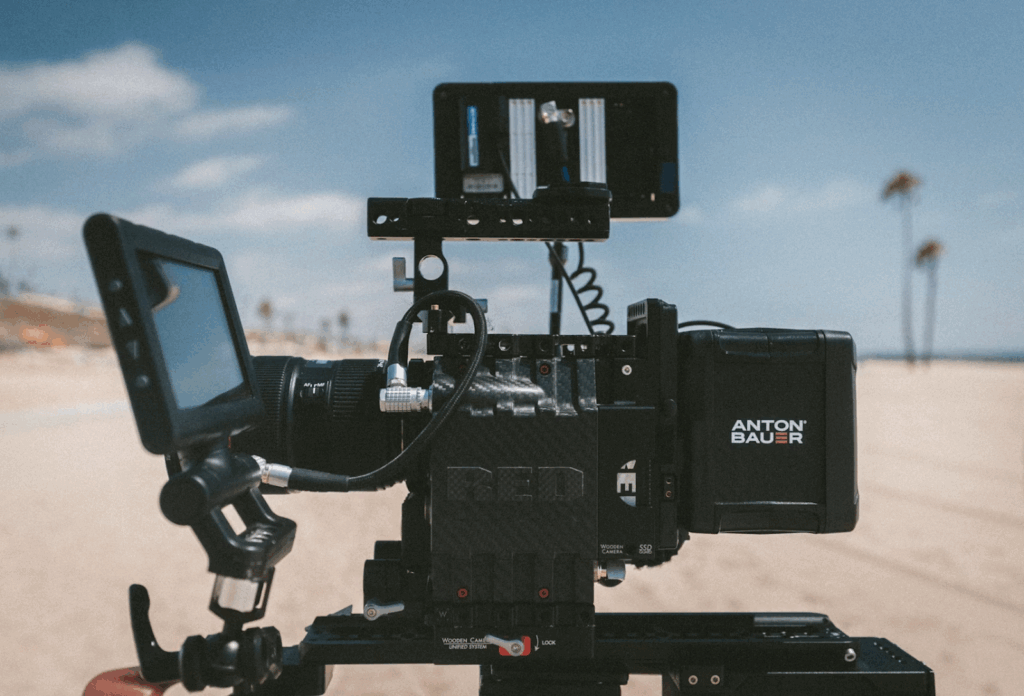
The technology ecosystem is expanding. Fast. Here are some of the tools shaping video workflows today.
AI-Powered Editing Platforms
Software like Adobe Premiere Pro (with Sensei AI), DaVinci Resolve, and Final Cut Pro now include AI functions. Some of the sorts of functionality that these enable includes:
- Auto-tag and organize large libraries of clips.
- Identify the best takes from hours of footage.
- Suggest cuts based on pacing or audio.
Newer platforms like Runway and Descript go further and allow editors to remove filler words from dialogue or even replace sections of video with text-based editing. Some of these tools can be used in conjunction with existing
Automated Visual Effects
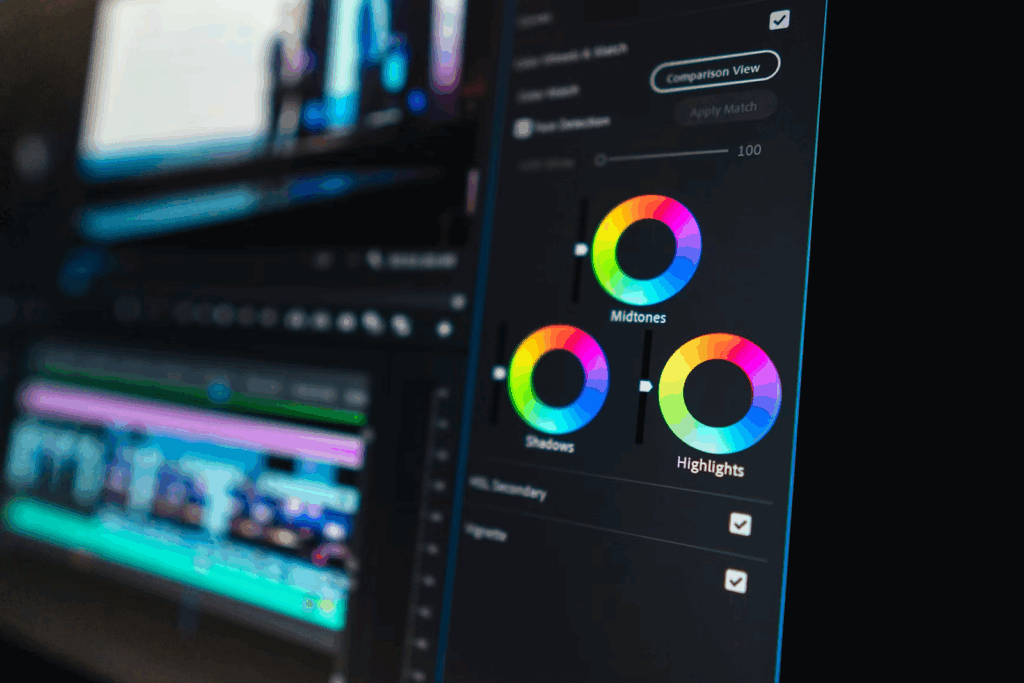
Machine learning has made once-painful effects processes more accessible. Tools can do things like remove unwanted objects from frames or create slow-motion from standard footage. These are things that would have either been impossible (or time-consuming) before.
AI tracking also speeds up compositing. It can allow editors to add motion graphics without frame-by-frame adjustments.
Smart Production Planning
Some systems can analyze scripts and automatically help with camera shot lists, or even budget estimates. This helps producers and production companies save time in pre-production.
Synthetic Media and Generative AI
Tools like Sora by OpenAI and Stable Video can generate short, AI-created video clips from text prompts. While not yet ready for full productions, they can be useful for pitching concepts or ideas.
Audio and Voice Tools
AI can instantly clean noisy recordings or generate voiceovers. Podcasts and explainer videos benefit from AI narration, though most brands still prefer human voices for emotion and authenticity. This is another instance where the AI may be most useful for testing concepts.
Benefits for Production Houses
Demand for high-quality content is growing and the benefits of adopting AI tools are significant. But it needs to be done in the right way. There are loads of potential benefits…
Speed and Efficiency
Editing that once took weeks can now be completed in days. Automated color correction or audio cleanup frees up editors to focus on storytelling rather than repetitive tweaks.
Cost Savings

AI reduces the need for outsourcing simple tasks like transcription or basic effects. This can help agencies manage budgets more efficiently while still investing in high-level creativity.
Creative Exploration
By handling the “grunt work,” AI allows directors and filmmakers more time to experiment with visual styles or to build their vision. It’s not about replacing imagination. It’s about making space for it.
Accessibility for Small Teams
A small social media team with limited resources can now use AI video editing platforms to produce clips for Instagram or TikTok. That means startups and SMEs can put out content. It is not likely to look as professional and clean-cut.
Global Competitiveness
As the Saudi film industry grows under Vision 2030, adopting advanced technology shows international collaborators that local teams are working at global standards. AI-supported workflows position Saudi Arabia as a modern hub for production.
Challenges and Limitations
AI is not a magic fix. Filmmakers need to understand both its limitations and its risks.
AI can generate edits or effects, but it doesn’t understand context. A laugh in the wrong place or a pause with emotional weight. These nuances still need human decision-making. That’s why we have incorporated it into our process and some uses when we’re making films and videos – but humans are still key to all decisions and the final product. Authenticity is something that can never be replicated.
AI outputs can be inconsistent. Automated rotoscoping or object removal might work well in one frame but fail in another. Editors must review and refine results to maintain professional quality.
Synthetic media can also raise issues around authenticity and ownership. Should brands disclose when AI-generated visuals are used? How do we protect original creators? These questions are especially important for agencies and filmmakers working with cultural or sensitive content.
Technical Learning Curve
AI tools aren’t plug-and-play magic. They require training and integration into existing workflows. Without human skill guiding the process, results can feel generic or mismatched. We’ve all seen AI videos that we know are just automatically generated and fake.
Future Outlook
The role of AI in video production will probably expand. Over the next five to ten years, we expect:
- Tighter integration between AI and major editing platforms.
- Real-time AI assistants that suggest edits or effects as you work.
- Wider adoption of automated filmmaking processes (though not replacing humans).
- Growth of smart production tools tailored for corporate video and social-first content.
The role of humans will remain central for the trustworthy companies. Directors will still craft vision. Editors will still make the emotional choices. Cinematographers will still define the look and feel of a shot. Assembling a quality team is not easy and our amazing staff’s skill help to set our productions apart. AI is just a simple tool.
For Saudi Arabia, this future is exciting. As the country invests heavily in creative industries, AI-enabled production can help local filmmakers keep pace with global innovation while still rooting their stories in authentic Saudi culture.
